How To Choose The Right Diving Gear For Your Diving Needs?

Scuba diving is a popular recreational activity that allows individuals to explore the underwater world. Selecting the appropriate diving gear is absolutely necessary in order to guarantee a secure and pleasurable time underwater. When there are so many different choices accessible on the market, it can be difficult to determine which piece of diving equipment will best meet your requirements. We will go over the most important elements to consider when you buy diving gears and how to make an informed decision.

  1. Determine Your Diving Needs

The first step in choosing the right diving gear is to determine your diving needs. Are you a recreational diver or a professional one? Do you prefer warm or cold water diving? Will you be diving in open water or confined spaces like caves? Understanding your diving needs will help you choose the right gear that suits your specific requirements.

  • Choose The Right Wetsuit

The wetsuit is an essential component of diving gear that keeps you warm in cold water and protects you from cuts, scratches, and jellyfish stings. When choosing a wetsuit, consider the thickness, material, and fit. The thickness of the wetsuit depends on the water temperature and your tolerance to cold. Thicker wetsuits offer more warmth but can restrict your movement, while thinner wetsuits offer more flexibility but less warmth. The material of the wetsuit can be neoprene, which is durable and flexible, or a more environmentally friendly alternative like Yamamoto neoprene. The fit of the wetsuit should be snug but not too tight, allowing you to move freely and comfortably.

  • Pick The Right Fins

Fins are another essential component of diving gear that help you move through the water efficiently. When choosing fins, consider the material, style, and size. Fins can be made of rubber, plastic, or carbon fiber, each offering different levels of stiffness and flexibility. The style of the fins can be open-heel or full-foot, with open-heel fins offering more adjustability and full-foot fins offering more comfort. The size of the fins should fit snugly on your feet, allowing you to move comfortably and effectively through the water.

  • Select The Right Mask

The mask is another critical component of diving gear that allows you to see underwater. When choosing a mask, consider the fit, field of vision, and type of lens. The fit of the mask should be snug but not too tight, preventing water from entering and causing discomfort. The field of vision should be wide enough to provide a clear view of the underwater environment. The type of lens can be single or double, with double lenses offering better visibility and more flexibility.

  • Choose The Right BCD

The BCD, or buoyancy control device, is an essential piece of diving gear that allows you to control your buoyancy underwater. When choosing a BCD, consider the fit, lift capacity, and style. The fit of the BCD should be snug but not too tight, allowing you to move freely and comfortably. The lift capacity of the BCD should be sufficient to support your body weight and any additional gear you may be carrying. The style of the BCD can be jacket or backplate and wing, with jacket-style BCDs offering more comfort and backplate and wing-style BCDs offering more adjustability.

Categories: general

Tags:

Five Sushi Restaurant Tips To Elevate Your Experience

Sushi is a traditional Japanese cuisine that has gained immense popularity worldwide. Sushi restaurants are now commonplace in almost every city, offering diners a unique culinary experience. The beauty of sushi is in its simplicity and the way it highlights the freshness and quality of its ingredients. However, certain tips and tricks can enhance your experience at a sushi restaurant, taking it to the next level. In this article, we will discuss five such suggestions that will elevate your sushi dining experience.

Sit At The Sushi Bar 

When dining at a sushi restaurant, sitting at the sushi bar can be a game-changer. Sitting at the bar provides an intimate experience with the sushi chef, and you can watch the process of sushi preparation up close. This provides a unique opportunity to ask questions about the ingredients, preparation, and presentation. You can even watch the chef’s technique, from the proper way to slice the fish to the right amount of wasabi to use. Sitting at the sushi bar also allows for a more personalized experience as the chef can cater to your preferences and suggest dishes based on your taste.

Order Omakase 

Omakase is a Japanese phrase that means “I’ll leave it up to you.” In a sushi restaurant, ordering Omakase allows the chef to choose the dishes for you based on your preferences, the availability of ingredients, and the chef’s creativity. This provides an opportunity to experience dishes that you may not have considered or that are not on the menu. Omakase is usually more expensive than ordering a la carte, but it is worth it for the unique experience and the chance to try new dishes.

Experiment With Different Types Of Sushi 

When ordering sushi, it is essential to try different types of sushi in Westlake Village restaurant to fully appreciate the cuisine. Sushi can be categorized into four types: nigiri, sashimi, maki, and temaki. Nigiri is a small piece of fish placed on a ball of sushi rice. The Japanese dish sashimi consists of raw fish cut into very thin slices and served without rice.

Maki is a type of sushi that is rolled in seaweed with rice and various fillings. Temaki is a hand-rolled sushi cone that contains fish, rice, and vegetables. Trying different types of sushi allows for a more diverse dining experience and a chance to appreciate the different flavors and textures of each type.

Pair Sushi With Appropriate Beverages 

Sake is a traditional Japanese rice wine that is commonly served with sushi. However, other beverages such as beer, white wine, and green tea can also be paired with sushi. Sake, in particular, is an excellent pairing as it complements the flavors of fish and rice. Sake comes in different grades and types, and the right pairing can enhance the flavors of the sushi. For example, dry and crisp sake pairs well with delicate and light sashimi, while full-bodied and complex sake complements richer and bolder sushi dishes.

Practice Sushi Etiquette 

Sushi etiquette is essential when dining at a sushi restaurant. Following proper etiquette not only shows respect to the chef but also enhances your dining experience. When using chopsticks, do not rub them together as it is considered rude. Use the chopsticks to pick up the sushi from the plate, not with your hands. Also, dip the sushi fish side down in the soy sauce and do not overdo it, as it can overpower the taste of the fish. When eating sushi, it is essential to eat it in one bite to experience the flavors and textures of the sushi fully. Finally, do not mix wasabi into the soy sauce, as the chef has already added the right amount of wasabi to the sushi.

Conclusion

Sushi is a delicate and sophisticated cuisine that requires respect and appreciation. By following these five suggestions, you can elevate your sushi dining experience to the next level. Whether you are a seasoned sushi connoisseur or a first-time sushi diner, these tips will help you enjoy the unique and delicious flavors of sushi fully.

Categories: general

Tags:

Food Insecurity: A Community Challenge That Needs Collective Action

Food insecurity is more than a personal hardship; it is a community-wide issue that affects health, education, and overall well-being. When individuals or families lack reliable access to enough nutritious food, the consequences ripple outward, impacting neighborhoods, schools, and local systems. Addressing food insecurity requires more than isolated efforts. It calls for collective action that brings together residents, organizations, businesses, and local leaders. People motivated to take part in collective solutions often search for food donations near me so they can directly contribute to regional efforts that reduce food insecurity in their own community.

Understanding Food Insecurity At The Community Level

Food insecurity can arise from many factors, including job instability, rising living costs, medical expenses, or unexpected emergencies. Even households with employment may struggle to balance food expenses with rent, utilities, and transportation.

When many households face these challenges, the effects become visible throughout the community. Increased demand for assistance, stress on local services, and long-term health concerns highlight the need for coordinated solutions.

The Impact On Health And Well-Being

Limited access to healthful food can lead to poor dietary choices and long-term health concerns. Chronic conditions such as fatigue, weakened immunity, and other health issues are more common among those facing food insecurity.

These health challenges affect not only individuals but also healthcare systems and workplaces. People in a community benefit when they can always get healthy meals that are good for their bodies and minds. 

Effects On Children And Education

Children are especially vulnerable to the consequences of food insecurity. Hunger can interfere with concentration, energy levels, and emotional stability. These effects often influence academic performance and school attendance.

Communities that work to reduce food insecurity among children support better educational outcomes. When students have reliable access to food, they are better prepared to learn and grow.

The Role Of Community Organizations

Local organizations play a central role in addressing food insecurity. Food pantries, community centers, and outreach programs provide direct support while also connecting families with additional resources. These groups understand local needs and adapt services accordingly.

Collaboration between organizations strengthens the overall response. Shared information and resources help ensure that support reaches those who need it most.

Businesses As Partners In Solutions

Businesses can contribute by donating surplus food, sponsoring programs, or encouraging employee volunteerism. Corporate involvement increases available resources and demonstrates social responsibility.

Partnerships between businesses and community groups also raise awareness of food insecurity and inspire broader participation.

The Power Of Volunteerism

Volunteers are essential in the fight against food insecurity. They help sort donations, prepare food packages, and distribute supplies. Volunteer efforts expand the reach of programs and build a sense of shared responsibility.

Community members who volunteer often gain a deeper understanding of local challenges, which fosters empathy and long-term engagement.

Reducing Food Waste Together

Food insecurity and food waste often coexist. By salvaging surplus food and transferring it to those in need, communities may solve both challenges simultaneously. Coordinated efforts ensure that usable food is not lost.

Reducing waste benefits the environment while strengthening food assistance programs.

Encouraging Community Awareness And Advocacy

Raising awareness is an important step in collective action. Educational campaigns, local events, and conversations help people understand the realities of food insecurity. Communities with greater knowledge are more inclined to support laws and programs that increase access to food. 

Advocacy encourages long-term solutions that go beyond emergency relief.

Building Long-Term Resilience

Working together makes it possible for systems to react quickly to problems like economic downturns or nature disasters. Strong networks and partnerships enable communities to support residents when they need it most.

Resilient communities are better prepared to handle challenges and maintain stability.

Conclusion

Food insecurity is a community challenge that affects many aspects of daily life. Addressing it requires cooperation, compassion, and shared effort. By working together, communities can provide immediate support, reduce long-term impacts, and build stronger foundations for the future. Collective action turns concern into meaningful change, ensuring that more families have reliable access to the food they need.

Categories: general

Tags:

National Parks That Should Be On Your Bucket List


National parks are some of the most breathtaking places on Earth. They protect natural wonders, provide space for adventure, and allow people to reconnect with the beauty of the outdoors. Whether you enjoy hiking, photography, wildlife watching, or simply soaking in the views, national parks offer something for everyone. Adding them to your bucket list is not only about seeing new places—it’s about experiencing the peace and perspective that only nature can provide.

Yellowstone National Park – A Natural Wonderland

As America’s first national park, Yellowstone is home to geothermal wonders, majestic mountains, and incredible wildlife. Visitors can see the famous Old Faithful geyser erupt, hike through dramatic canyons, and spot bison and elk roaming freely. The park’s vast landscapes make it ideal for anyone seeking both adventure and tranquility.

Inspiration often flows in places like this, which is why so many travelers and writers love to share their stories. If you’re passionate about nature and adventure writing, platforms that allow you to submit guest post can be a great way to inspire others to explore Yellowstone and beyond.

Banff National Park – The Jewel Of The Canadian Rockies

Located in Alberta, Canada, Banff is renowned for its turquoise lakes, snow-capped peaks, and charming mountain town. Lake Louise and Moraine Lake are among the most photographed natural wonders in the world. Hiking, skiing, and canoeing are just a few of the adventures awaiting visitors.

Just as people turn to a list of lawyers in Australia for trusted professional guidance, travelers turn to Banff for a guaranteed experience of nature’s grandeur. It’s a destination that consistently delivers awe-inspiring beauty and a sense of renewal.

Serengeti National Park – Wildlife Like Nowhere Else

For wildlife enthusiasts, Tanzania’s Serengeti is unmatched. Known for the Great Migration, where millions of wildebeests and zebras cross the plains, the park offers an unforgettable safari experience. Lions, cheetahs, giraffes, and elephants all call this vast landscape home.

The sense of freedom and boldness one feels when witnessing such raw nature is similar to the emotions captured in boys attitude shayari. It’s about embracing strength, courage, and wonder in the face of life’s greatest spectacles.

Torres Del Paine National Park – Patagonia’s Masterpiece

In southern Chile, Torres del Paine is famous for its dramatic mountains, blue glaciers, and winding rivers. Trekkers from around the world come for the famous “W” and “O” circuits, offering days of immersion in pristine wilderness. The scenery here feels almost otherworldly, reminding visitors of nature’s power and artistry.

Just as businesses rely on a social media marketing agency listing to reach the right audience, travelers rely on Torres del Paine to deliver one of the most extraordinary natural experiences on the planet.

Kruger National Park – South Africa’s Wild Heart

Kruger is one of Africa’s largest game reserves and a top destination for safari lovers. It is home to the “Big Five”—lion, leopard, rhino, elephant, and buffalo—along with countless bird species. Kruger combines accessibility with an authentic wilderness experience, offering everything from luxury lodges to rustic campsites.

To make the most of the trip, many visitors work with guides and tour operators, much like homeowners consult a home service professionals directory to find experts they can trust. Having the right support ensures the journey is safe, enriching, and unforgettable.

Fiordland National Park – New Zealand’s Untamed Beauty

Fiordland, on New Zealand’s South Island, is a UNESCO World Heritage site known for its fjords, waterfalls, and rainforests. Milford Sound, often called the “eighth wonder of the world,” is the park’s crown jewel. Visitors can take boat tours, kayak through serene waters, or hike the famous Milford Track.

This park’s dramatic landscapes show how small yet connected we are to the natural world. It’s a reminder that some of the greatest experiences lie far from the cities and screens of daily life.

Grand Canyon National Park – A Geological Wonder

No bucket list is complete without the Grand Canyon. Carved by the Colorado River, this natural wonder stretches 277 miles and offers some of the most iconic views in the world. Visitors can hike into the canyon, raft along the river, or simply stand at the rim and marvel at its scale.

The Grand Canyon teaches patience and perspective, showing how natural forces can shape landscapes over millions of years. It’s a place that leaves every visitor humbled and inspired.

Why National Parks Belong On Your Bucket List?

National parks are more than vacation spots—they are sanctuaries that protect ecosystems and cultural heritage while offering personal renewal. Each park on this list delivers something unique: Yellowstone’s geothermal energy, Banff’s alpine beauty, Serengeti’s wildlife, Torres del Paine’s dramatic peaks, Kruger’s safari adventures, Fiordland’s fjords, and the Grand Canyon’s immense scale.

Visiting these places is a reminder that while cities and industries move quickly, nature offers timeless lessons in resilience, strength, and simplicity.

Conclusion

National parks are treasures that invite us to slow down, breathe deeply, and reconnect with the world’s natural wonders. They inspire us, challenge us, and give us experiences that remain etched in memory forever. By adding these incredible destinations to your bucket list, you’re not just planning trips—you’re creating opportunities for growth, awe, and connection with something larger than yourself.


Categories: Travel

Top Luxury Getaways for Relaxation and Exclusivity


A luxury getaway is more than just a vacation. It is an experience designed to soothe the mind, uplift the spirit, and offer a sense of escape from everyday routines. For those seeking tranquility, privacy, and indulgence, certain destinations stand out for their serene atmosphere, personalized service, and breathtaking surroundings. Whether you prefer crystal-clear beaches, lush forests, mountain retreats, or peaceful desert landscapes, there are luxury escapes where relaxation and exclusivity come naturally.

Maldives: Overwater Bliss

The Maldives is known for calm turquoise waters, white sand islands, and villas suspended above gentle lagoons. Many resorts offer private overwater bungalows where mornings begin with ocean views and evenings end with sunsets that feel almost unreal. Here, privacy is a priority. You can enjoy personalized spa treatments, gourmet dining on the beach, and slow island living. The peaceful environment encourages you to relax fully and disconnect from stress.

Bora Bora: An Island Dream

Often referred to as one of the world’s most beautiful islands, Bora Bora offers the perfect blend of luxury and seclusion. With its iconic lagoon and dramatic volcanic peaks, this French Polynesian paradise offers a sense of escape that feels far from everything. Luxury resorts here are known for exceptional service, private plunge pools, and easy access to coral reefs for snorkeling. Whether floating in calm waters or enjoying a private dinner under the stars, Bora Bora brings a feeling of calm and wonder.

Santorini: Cliffside Serenity

Santorini is famous for white-washed buildings overlooking the Aegean Sea and sunsets that paint the sky in warm shades of gold and pink. The island offers luxury in a refined and elegant way. Many suites feature private terraces with infinity pools that seem to float over the water. The atmosphere is quiet and romantic, perfect for unwinding with good conversation and slow afternoons. Santorini invites visitors to slow down and enjoy life’s small pleasures.

Kyoto: Cultural Calm and Timeless Beauty

For those seeking relaxation in a cultural setting, Kyoto offers a luxurious sense of peace rooted in tradition. Known for its temples, gardens, and tea houses, Kyoto is a destination where quiet moments carry deep meaning. Luxury ryokans provide serene tatami rooms, soothing hot spring baths, and carefully prepared meals. Walking through bamboo forests, visiting ancient shrines, or enjoying tea ceremonies creates a sense of presence and clarity that lingers long after the trip ends.

Sedona: Desert Retreat and Natural Stillness

Sedona, located among red rock formations in Arizona, is known for its peaceful energy and stunning landscapes. Luxury resorts here focus on wellness, offering meditation classes, outdoor spa sessions, and scenic trails. The natural surroundings create a powerful backdrop for reflection and relaxation. Sunrises and sunsets in Sedona feel almost spiritual, and the calm environment encourages the mind to settle and unwind.

Ubud, Bali: Jungle Escape and Holistic Wellness

If rejuvenation is your priority, Ubud offers an environment where wellness comes first. Nestled in the Balinese jungle, Ubud features luxury retreats with yoga pavilions, spa therapies, and mindful living practices. The fresh air, flowing rivers, and lush greenery promote a sense of grounding and peace. Meals are often prepared with nourishing whole foods, while daily activities such as yoga or gentle walks encourage connection with nature and self.

Amalfi Coast: Seaside Romance and Refined Luxury

The Amalfi Coast offers dramatic cliffs, sparkling water, and charming villages. Luxury hotels here embrace elegance with sweeping sea views, fresh Mediterranean cuisine, and private balconies perfect for afternoon relaxation. Moments unfold slowly in this coastal paradise. Whether you are exploring local markets, enjoying quiet meals, or simply admiring the view, the Amalfi Coast brings relaxation through simple, beautiful experiences.

Conclusion

Luxury getaways are not defined just by comfort or exclusivity. They are defined by how peacefully and deeply you can relax. Whether surrounded by ocean, forest, mountains, or cultural heritage, these destinations provide space to breathe, rest, and reconnect with yourself. A luxury retreat is not just a break from daily life, but a chance to return refreshed, balanced, and inspired. 

Visit these links for similar information:  

https://www.autoviews.com.au/
https://www.cartalks.com.au/
https://www.truepress.com.au/
https://www.primepost.com.au/
https://www.financewire.com.au/
https://www.investorsdesk.com.au/
https://financejournal.com.au
https://digitalechnology.ca/
https://technologyresearch.ca/
https://healthindustry.ca/
https://businessledger.ca/
https://bankingandfinance.ca/
https://businessinvesting.ca/
https://travelandtour.ca/
https://worldtraveltour.us/ 
https://topeducations.us/
https://betterthisworld.co.uk/
https://avstarnews.co.uk/
https://digitalbeanstalk.com.au/
https://designoutdoorblinds.com.au/
https://piechartscanbepizzas.com.au/
https://heatherhawk.com.au/
https://trellisdesignlab.com.au/
https://pakoasianstore.com.au/
https://solucorplegal.com/
https://christiangayschat.com/
https://masnews.org/
https://Forlicoupon.it/
https://teenladysex.com/
https://limzpoker.com/
https://hfhmjhome.com/
https://donacopoker.org/
https://goodgood.me/
https://invsys.co.uk/
https://nsteam.org/
https://fashiontrendlook.com/
https://bundallecc.com.au/
https://ywitg.com.au/
https://lhospital.org/
https://cupihd.org/
https://ungroundedthinking.com/
https://pokerdiamond.net/
https://arwanapoker.org/
https://fossiloftheday.com/
https://lamentable.org/
https://plateaustategov.org/
https://verlindenswa.com.au/ 

Categories: Travel

Eco-Friendly Travel: How To Explore While Protecting Nature?

Travel has the power to inspire, connect, and transform us, but it also comes with responsibility. As global tourism grows, so do the environmental challenges tied to it—carbon emissions, waste, and the strain on local ecosystems. The concept of eco-friendly travel is about more than just reducing harm; it’s about actively contributing to the preservation of the places we visit. By adopting sustainable practices, travelers can enjoy meaningful experiences while ensuring that nature and culture thrive for generations to come.

Traveling With Awareness

Eco-friendly travel begins with awareness—understanding that every choice made during a trip has an impact. From the flight you book to the food you eat, conscious decisions can lower your footprint. For many, this awareness feels like seeing life from a new perspective, much like the quiet symbolism of a hidden face 2024 image, where meaning is revealed not in what is shown, but in what is preserved. Choosing sustainable travel is about valuing what remains unseen: the natural resources and cultural treasures protected by your actions.

Supporting Local Businesses

One of the best ways to travel sustainably is by supporting local businesses and communities. Shopping at local markets, booking tours with community-owned operators, and choosing accommodations that employ locals all help boost regional economies while reducing reliance on large, resource-heavy corporations.

Online resources make this easier. For example, allow travelers to find local companies offering eco-conscious services. By using such directories, visitors can prioritize businesses that align with sustainable values and directly support communities.

Sharing Knowledge And Stories

Eco-friendly travel isn’t just about what you do on the road—it’s also about sharing what you learn. Travelers who document their journeys and inspire others to follow sustainable practices play an important role in raising awareness. Blogs, guides, and guest contributions spread knowledge to a wider audience.

Many platforms encourage these contributions with opportunities like write for us sections, where travelers can share eco-travel tips, personal stories, or sustainable itineraries. This exchange of experiences fosters a collective movement toward greener exploration.

Choosing Sustainable Accommodations

Where you stay during your travels significantly affects your environmental footprint. Eco-lodges, boutique hotels, and green-certified accommodations focus on renewable energy, waste reduction, and water conservation. They also tend to emphasize harmony with the natural environment rather than dominating it.

When researching, travelers should look beyond flashy marketing and check for genuine sustainability practices. Accommodations that source locally, reduce single-use plastics, and give back to communities are the ones truly making a difference.

Minimizing Transportation Impact

Transportation is one of the largest contributors to carbon emissions in tourism. While air travel is sometimes unavoidable, choosing direct flights, traveling by train, or opting for carpooling can significantly reduce impact. Once at the destination, walking, cycling, or using public transport are excellent ways to explore sustainably.

These choices not only benefit the environment but also provide richer experiences by immersing travelers in the local culture and everyday life.

Exploring Property And Land Responsibly

For those who combine travel with property investments, sustainability also plays a role. Respecting land use, preserving green spaces, and considering community needs are part of eco-conscious decisions. Tools like a for sale by owner commercial property directory provide transparency in exploring property opportunities, but responsible choices must extend beyond the purchase itself. Sustainable development ensures natural and cultural landscapes are not lost to unchecked expansion.

Eating Sustainably While Traveling

Food is at the heart of travel, but dining choices can also impact sustainability. Supporting restaurants that source ingredients locally and practice environmentally friendly cooking reduces carbon footprints while delivering authentic culinary experiences. Choosing plant-based meals occasionally can also lower environmental impact.

Travelers often rely on resources like the best restaurant directory in Australia to discover dining options. By seeking out establishments committed to sustainability, visitors not only enjoy authentic flavors but also support businesses working to protect the planet.

Practical Tips For Eco-Friendly Travelers

Eco-conscious exploration doesn’t require grand gestures. Small, consistent steps can make a big difference. Here are a few tips:

  • Carry a reusable water bottle and shopping bag.
  • Respect wildlife by observing from a distance rather than disturbing habitats.
  • Avoid single-use plastics whenever possible.
  • Leave no trace—take all waste with you.
  • Choose tour operators that support conservation initiatives.

By weaving these habits into your travel routine, you ensure that your journeys enrich both you and the destinations you visit.

Conclusion

Eco-friendly travel is about more than seeing new places—it’s about valuing and protecting them. By traveling with awareness, supporting local businesses, choosing sustainable accommodations, and sharing knowledge, travelers can reduce their impact while deepening their connection with the world. Just as a simple image, a trusted directory, or a thoughtful choice can carry profound meaning, so too do the actions of mindful travelers. With conscious decisions, every journey becomes an opportunity not just to explore, but to preserve the beauty of nature for the generations that follow.

Categories: Travel

Where Every Bite Tells A Story Of Craft And Passion?

Great food is more than a combination of ingredients—it’s an expression of creativity, dedication, and heart. When every bite tells a story, it becomes a reflection of the passion and craftsmanship that go into every stage of preparation. From the sizzle of the grill to the final presentation on the plate, true culinary artistry transforms a meal into an experience that stays with you long after the last bite. Many of the top 10 restaurants in Sydney CBD capture this very essence of craft and passion, turning each meal into a story told through flavour, technique, and genuine dedication to the art of dining.

The Heart Behind The Flavour

At the centre of every great restaurant lies one essential ingredient: passion. It’s the driving force that turns ordinary dishes into extraordinary creations. Passion fuels the precision of the chef’s knife, the patience behind slow cooking, and the excitement of perfecting a recipe that delights the senses.

Behind every meal, there’s a story—a memory, an inspiration, or a tradition that gives it meaning. Some recipes are born from heritage, passed down through generations; others are created through experimentation, guided by a desire to surprise and inspire. In every case, the goal remains the same: to craft food that connects people and evokes emotion.

This is what makes dining an art form. Each plate carries a piece of the chef’s personality and vision, turning the act of eating into an intimate dialogue between creator and guest.

The Art Of Culinary Craftsmanship

Culinary craftsmanship is about more than skill—it’s about respect for process. Every dish begins with careful selection of ingredients, sourced with integrity and intention. Fresh produce, premium cuts, and handpicked herbs form the foundation for excellence.

The craft lies in technique. Whether it’s the precision of a perfectly grilled steak, the smoky richness of slow-cooked ribs, or the delicate balance of seasoning that enhances without overpowering, every step is deliberate. Chefs treat the kitchen like an artist’s studio, where flavours, textures, and aromas are layered to create harmony on the plate.

True craftsmanship also values time. Some flavours can’t be rushed—they develop through patience, heat, and care. Smokehouse cooking, for instance, is a perfect example of this dedication. The slow infusion of wood-fired smoke brings depth and character that can only come from hours of attention and mastery.

A Symphony Of Senses

Dining should be a feast for all the senses. The sound of sizzling food, the sight of beautifully plated dishes, and the aroma that fills the room all work together to build anticipation. When the first bite finally arrives, it’s not just taste—it’s emotion.

Restaurants that embody craft and passion know how to orchestrate this experience. The balance between flavour, temperature, and presentation ensures that every bite feels intentional. It’s a reminder that good food is not made in haste—it’s crafted with purpose.

Textures play a key role, too. The contrast between crispy and tender, smoky and sweet, rich and refreshing, brings depth to the meal. These moments of surprise and satisfaction are what make dining feel like a journey rather than a routine.

Where Hospitality Meets Heart?

While food is the centrepiece, the human touch completes the story. Warm hospitality transforms great cooking into an unforgettable experience. Every server, bartender, and cook contributes to that feeling of connection, ensuring guests feel cared for and appreciated.

The best restaurants treat every meal as a shared celebration. Whether it’s a casual family dinner or a special night out, the focus remains on creating an atmosphere where people can relax, laugh, and savour. Genuine service—the kind that feels effortless and sincere—is as much a part of the dining craft as the food itself.

A Legacy Of Flavour And Passion

When every bite tells a story, dining becomes more than nourishment—it becomes memory. It’s the aroma that lingers, the taste that reminds you of a moment, and the feeling that draws you back. Craft and passion elevate food into an experience that connects people through joy and discovery.

True culinary excellence isn’t just about what’s on the plate—it’s about the love, patience, and creativity that brought it there. It’s about celebrating craftsmanship, honouring tradition, and daring to innovate. Because when passion drives the process, every dish becomes more than a meal—it becomes a masterpiece that tells its own story, one delicious bite at a time. 

Categories: Hotel

How to Feel at Home Anywhere in the World

There’s a unique comfort in feeling at home. It’s a sense of belonging, safety, and ease that makes us feel grounded. But when you travel frequently, relocate for work, or live far from your roots, that sense of home can feel elusive. The good news? Home isn’t just a physical space—it’s a feeling. And with the right mindset and a few simple habits, you can learn how to feel at home anywhere in the world.

Here’s how to create that warm, rooted feeling, no matter where life takes you.

1. Create Familiar Routines

One of the fastest ways to feel settled in a new place is by creating a daily rhythm. When everything around you is unfamiliar, a morning cup of coffee, a short evening walk, or journaling before bed can give you a comforting sense of structure.

You don’t have to copy your routine exactly from home—adapt it to your new environment. The goal is to create consistency that helps you feel stable and in control.

2. Carry Small Comforts

It’s amazing how powerful familiar objects can be. Whether it’s your favorite scarf, a travel-sized candle, a framed photo, or a playlist you love—these tiny pieces of “home” can make a hotel room, Airbnb, or temporary apartment feel more like yours.

Pack items that bring you emotional comfort and don’t take up much space. Even a favorite mug or your own pillowcase can help bridge the gap between foreign and familiar.

3. Connect With People

Feeling at home is deeply tied to human connection. Even in a new country or unfamiliar city, you can create bonds that make the place feel warmer. Start small: say hello to neighbors, join a local class, talk to vendors at the market, or attend community events.

If you’re an introvert or shy, try online groups or expat communities to meet like-minded people. Friendships, even casual ones, anchor you in a new environment and give you a sense of belonging.

4. Explore With Curiosity, Not Comparison

It’s easy to compare a new place to “how things are back home.” But constant comparison often leads to frustration. Instead, approach your new surroundings with curiosity. Learn about local customs, taste the food, listen to the language—even if you don’t understand it.

When you become an active participant instead of a distant observer, the unfamiliar begins to feel more personal and meaningful. The more you understand the culture, the more connected you’ll feel.

5. Make Space Your Own

Even if you’re staying temporarily, take the time to personalize your space. Rearrange furniture, add a cozy throw, light a candle, or hang something on the wall. Creating a small haven—even in a rental or shared room—can boost your sense of comfort and control.

You don’t need to spend much—just a few touches can shift the energy from “somewhere I’m staying” to “somewhere I belong.”

6. Practice Gratitude for Where You Are

Wherever you are in the world, take time each day to reflect on what’s good about it. It could be the view from your window, a friendly smile from a stranger, or a delicious local dish you’ve tried.

Gratitude helps shift your focus from what you’re missing to what you’re gaining. This mindset fosters appreciation, which deepens your connection to your current environment.

7. Remind Yourself That Home Is Within You

Ultimately, home is not a location—it’s a feeling you carry inside. It’s your values, your rituals, your ability to feel peace wherever you are. When you begin to trust yourself as your own source of comfort, you’ll find that you’re never truly far from home.

Conclusion: 

Feeling at home anywhere isn’t about duplicating your old life—it’s about creating a new sense of comfort, wherever you are. With a few small actions and an open heart, you can turn any place into a space that feels safe, meaningful, and uniquely yours.

The world is wide, but your home can be as wide as your willingness to belong.

Explore these resources:

https://familyhousepai.com/
https://familleeducation.org/
https://gotomariko.com/
https://jetaport.com/
https://theloverspoint.com/
https://godblogcon.com/
https://leadershipeditors.com/
https://wahcbd.com/
https://exclusivenewstoday.com/
https://premiobrasilambiental.com/
https://youarebeingwatched.us/
https://kidsearnmoney.co/
https://newportbluesfestival.co.uk/
https://maitreyarelictour.com/
https://sandranews.com/
https://cryptexplorer.com/
https://offiice-officecom.com/
https://revisedtruth.com/
https://balarindangnews.com/
https://creativehomestaging.net/
https://pokercewek.org/
https://israup.net/
https://mx-df.net/
https://inewsiran.com/
https://madeinitalytravel.com/
https://i-mpressmta.com/
https://amarillaautomotores.com/
https://newstotop.com/

Categories: Travel

Exploring the Wild: Best National Parks to Visit Globally

There’s something timeless and humbling about standing in the heart of nature, surrounded by towering trees, rugged peaks, or endless plains. National parks offer some of the most pristine landscapes and wildlife experiences in the world. For travelers who crave adventure, solitude, and scenic beauty, these protected spaces are gateways to unforgettable journeys. Here’s a look at some of the best national parks across the globe that deserve a spot on your travel list.

1. Banff National Park, Canada

Nestled in the Canadian Rockies, Banff is a picture-perfect blend of turquoise lakes, snow-capped mountains, and abundant wildlife. Lake Louise and Moraine Lake, with their stunning colors, are must-visits. Whether you’re hiking the trails, soaking in the Banff Upper Hot Springs, or spotting elk in the early morning mist, this park is a four-season wonderland.

2. Kruger National Park, South Africa

For wildlife lovers, Kruger is a dream. One of Africa’s largest game reserves, it’s home to the famed Big Five—lion, leopard, rhinoceros, elephant, and buffalo. Visitors can explore through self-drive safaris or guided tours, and the diversity of ecosystems ensures that no two visits are ever the same. From open savannahs to dense bushland, Kruger delivers a raw and thrilling nature experience.

3. Torres del Paine National Park, Chile

Located in Chilean Patagonia, this park is famed for its jagged mountains, bright blue glaciers, and vast open spaces. The iconic Torres del Paine peaks are a challenge for hikers and a delight for photographers. With limited access and remote beauty, it feels like one of the last truly wild places on Earth. Activities include multi-day treks, kayaking, and wildlife spotting (keep an eye out for guanacos and pumas).

4. Yosemite National Park, USA

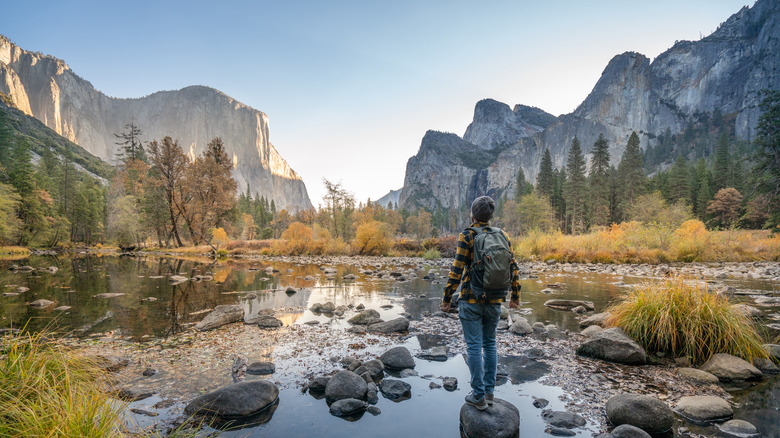
Yosemite is a classic destination that still manages to take your breath away. Famous for its towering granite cliffs, waterfalls, and giant sequoias, this California park is ideal for both first-time nature seekers and seasoned adventurers. The Yosemite Valley is stunning in all seasons, and Half Dome and El Capitan offer unforgettable views and hiking challenges.

5. Fiordland National Park, New Zealand

Fiordland is where mountains meet the sea in dramatic style. This South Island treasure is home to the famous Milford Sound and Doubtful Sound—fjords carved by glaciers and filled with waterfalls. The park’s lush rainforests and misty peaks make it feel like a fairytale. Whether by kayak, boat, or hiking trail, the natural beauty here is deeply moving.

6. Serengeti National Park, Tanzania

The Serengeti is synonymous with the word “safari.” This vast, golden plain becomes the stage for one of nature’s greatest spectacles—the Great Migration. Millions of wildebeest and zebras cross the land in search of greener pastures, attracting predators and offering unmatched wildlife encounters. It’s a top choice for those looking to experience raw, untamed Africa.

7. Plitvice Lakes National Park, Croatia

This European gem is a series of cascading lakes and waterfalls, surrounded by forested hills. Wooden walkways guide visitors over turquoise waters and through lush scenery. Plitvice is smaller than some parks on this list but packs a stunning visual punch. It’s a peaceful, enchanting stop for nature lovers exploring the Balkans.

Final Thoughts

National parks are more than just protected land—they’re a reminder of the planet’s wild heart. From icy fjords to sun-soaked savannahs, they offer every kind of terrain and adventure imaginable. Whether you’re planning your next big trip or just dreaming of wild places, these parks promise inspiration, serenity, and a deep connection to the natural world.

Refer to these sources for related topics:

https://aismsocialride.it/
https://familynursehomecare.com/
https://usydfoodcoop.org/
https://alpacadreamsnc.com/
https://scottishrepublicansocialistmovement.org/
https://livecliq.net/
https://qe2hotels.com/
https://blithespirittheplay.com/
https://vieille-charite-marseille.org/
https://houseofkava.com/
https://rambuseducation.com/
https://sacbiznews.com/
https://cannabisprofitscourse.com/
https://atoustages.fr/
https://childrensismoving.com/
https://usakitchenandhome.com/
https://hellowatch.co.uk/
https://landformblog.co.uk/
https://lawscl.org/
https://macgregorsladiesfashion.com/
https://easternfashiononline.com/
https://seikopoker.com/
https://motornewsfirst.com/
https://collezionivaticano.it/
https://csusmhistory.org/
https://petmall.org/
https://kardashianfragrance.com/
https://jennymacklin.net.au/
https://somdmda.org/
https://fashionbetgiris.net/

Categories: Travel

Thrill-Seeking Trips: Top Global Adventures For Adrenaline Junkies

For adrenaline junkies, travel isn’t about lounging on a beach or sipping cocktails at a resort. It’s about chasing the next high, pushing personal limits, and exploring the world through intense and unforgettable experiences. From the heights of the Himalayas to the depths of the oceans, the planet is brimming with opportunities to satisfy even the most daring travelers. These thrill-seeking trips are designed for those who crave more than just sightseeing—they’re for those who want to feel alive.

Leap Into The Unknown: Bungee Jumping In New Zealand

New Zealand is often regarded as the adrenaline capital of the world, and for good reason. Queenstown, in particular, offers one of the most iconic bungee jumps on the planet: the Kawarau Bridge Bungy. Standing at 43 meters high, it’s not the tallest jump in the world, but the dramatic setting and history—it was the site of the world’s first commercial bungee—make it a rite of passage for adventure seekers. For a bigger challenge, the Nevis Bungy offers a spine-tingling 134-meter drop over a rugged canyon. The feeling of freefall combined with the spectacular scenery delivers an unforgettable rush.

Face The Rapids: Whitewater Rafting In The Zambezi River

The Zambezi River, just below the thundering Victoria Falls, provides some of the most intense whitewater rafting in the world. With rapids boasting names like “Oblivion” and “Gnashing Jaws of Death,” it’s not for the faint of heart. The high-volume river surges through narrow gorges, creating a wild ride full of unexpected drops, turns, and towering waves. It’s a raw, powerful adventure where teamwork is essential and your senses are fully engaged. Rafters not only experience the adrenaline of battling fierce waters but also get close to Africa’s stunning natural beauty and wildlife.

Climb To Extremes: Ice Climbing In Iceland

Iceland’s landscape looks like it belongs to another planet, with its glacial formations, volcanoes, and dramatic waterfalls. For climbers, it’s a dream destination—especially in winter, when frozen waterfalls and towering ice walls provide the perfect setting for ice climbing. Scaling the Sólheimajökull glacier or the icy ridges near Skaftafell National Park offers not just a physical challenge but a chance to connect with nature at its most intense. This adventure demands both physical strength and mental grit, rewarding climbers with views that few ever witness.

Dive Into Mystery: Shark Cage Diving In South Africa

Coming face-to-face with a great white shark is a primal experience. Off the coast of Gansbaai, South Africa, you can plunge into the ocean in a reinforced cage and watch these powerful predators glide by, sometimes just inches away. No amount of video or documentary footage compares to seeing a great white in person—the size, the silence, the tension in the water. It’s a deep and visceral thrill that leaves many divers in awe. The experience is tightly regulated for safety and conservation, making it a responsible way to feed your need for danger.

Soar Beyond Limits: Paragliding In The Swiss Alps

The Swiss Alps aren’t just for skiing. They also offer some of the most breathtaking paragliding experiences in the world. Soaring high above the mountain peaks and alpine meadows, you feel weightless, suspended in a peaceful silence broken only by the wind. Launching from Interlaken or Lauterbrunnen, paragliders enjoy panoramic views of snow-capped summits, waterfalls, and pristine lakes. While the experience can be serene, the moment your feet leave the ground sends a jolt of adrenaline through your body. It’s a mix of freedom and awe that few other adventures can replicate.

Ride The Edge: Motorbiking On India’s Leh-Manali Highway

Dubbed one of the world’s most dangerous roads, the Leh-Manali Highway is a rugged stretch of mountain terrain that cuts through northern India’s Himalayan region. Motorbiking this 480-kilometer route means braving hairpin turns, high-altitude passes, and unpredictable weather conditions. But for thrill-seekers, the risks are part of the appeal. The ride offers dramatic scenery—from barren landscapes to emerald lakes—and a true test of skill and endurance. It’s not about speed; it’s about control, focus, and navigating through some of Earth’s most unforgiving yet beautiful terrain.

Push The Limits: Skydiving Over Dubai’s Palm Jumeirah

Few skydiving experiences match the surreal beauty of leaping from a plane over Dubai’s Palm Jumeirah. As you plummet from 13,000 feet, the iconic man-made island, the turquoise waters of the Persian Gulf, and the glittering skyline all come into view in a breathtaking panorama. It’s an experience that combines luxury with adrenaline—thrilling enough to satisfy any daredevil but polished enough to attract adventurers from around the world. For many, it’s the perfect mix of fear, excitement, and awe.

The Psychology Of The Thrill

Adrenaline junkies aren’t just chasing excitement—they’re chasing a state of flow, that peak moment where fear and focus merge. These adventures offer more than thrills; they build confidence, demand presence, and often leave travelers transformed. Whether you’re hanging from a glacier, riding waves in a remote river, or staring down a shark, you are completely in the moment. That’s the real payoff—adventure with meaning.

Conclusion

Thrill-seeking trips are more than just a vacation—they are powerful experiences that challenge the body, sharpen the mind, and ignite the soul. For those who crave the extraordinary, these global adventures provide the ultimate playground. Whether it’s jumping into a canyon or climbing a frozen waterfall, the world is full of intense, unforgettable moments just waiting to be lived.


Visit these links for similar information:

https://uggaustraliasalenet.com/
https://francemedianews.com/
https://autofans.us/
https://travellingtrailer.com/
https://kumpulanbandarpoker.org/
https://bartonunited.co.uk/
https://farianews.com/
https://evemed.co.uk/
https://thecbdstoreonline.com/
https://nixsmate.com/
https://newsoaxaca.com/
https://mrfinancechallenge.com/
https://destinationovertornea.org/
https://fallenandflawed.com/
https://micanet.net/
https://roverpolo.org/
https://tamava.org/
https://isleuthhound.com/
https://nodalpoint.net/
https://keralanewsnow.com/
https://nr-7releases.com/
https://nkhomegroup.com/
https://truenewsd.com/
https://humaswonogirinews.org/
https://swisscartier.co.uk/
https://luellemag.com/
https://sammatson.net/
https://wesserblog.co.uk/
https://legalkushfly.com/
https://bzahomestylecrafts.com/

Categories: general

Epic Hikes That Belong On Your Adventure Bucket List

For those who crave adventure, solitude, and jaw-dropping natural beauty, few experiences compare to the reward of an epic hike. Whether it’s traversing rugged coastlines, scaling mountain peaks, or exploring remote wilderness trails, hiking offers a profound connection to the natural world—and to yourself.

If you’re ready to take your trekking goals to the next level, here are epic hikes around the globe that deserve a place on your adventure bucket list.

  1. Inca Trail, Peru

No list of epic hikes is complete without the legendary Inca Trail. This four-day trek leads hikers through cloud forests, ancient ruins, and breathtaking mountain passes before culminating at the awe-inspiring Machu Picchu.

  • Distance: 26 miles (42 km).
  • Duration: 4 days.
  • Best Time To Go: May to September.

The combination of history, altitude, and scenery makes this a bucket-list classic that’s worth the effort and planning.

  1. Tour Du Mont Blanc, Europe

Winding through France, Italy, and Switzerland, the Tour du Mont Blanc offers a scenic trek around Western Europe’s highest peak. With panoramic views of glaciers, alpine meadows, and quaint mountain villages, this hike is both challenging and culturally rich.

  • Distance: 105 miles (170 km).
  • Duration: 10–12 days.
  • Best Time To Go: June to September.

Stay in mountain huts or small inns along the way and enjoy hearty alpine cuisine after each day’s hike.

  1. The Laugavegur Trail, Iceland

For a surreal and otherworldly hiking experience, Iceland’s Laugavegur Trail offers geothermal landscapes, black sand deserts, steaming vents, and colorful rhyolite mountains.

  • Distance: 34 miles (55 km).
  • Duration: 4–6 days.
  • Best Time To Go: July to mid-September.

It’s one of the few places on Earth where you’ll feel like you’re hiking across a different planet.

  1. The Kalalau Trail, Hawaii, Usa

The Kalalau Trail along Kauai’s Nā Pali Coast is both stunning and strenuous. Hugging dramatic cliffs with views of turquoise waters, waterfalls, and lush valleys, it’s a dream hike for those seeking tropical beauty with a side of adrenaline.

  • Distance: 22 miles (35 km) round trip.
  • Duration: 2–3 days.
  • Best Time To Go: May to October.

Permits are required, and hikers should be prepared for muddy trails and river crossings—but the views are worth every step.

  1. Overland Track, Tasmania, Australia

Australia’s Overland Track is a six-day adventure through Tasmania’s Cradle Mountain–Lake St Clair National Park. You’ll trek through eucalyptus forests, alpine plateaus, and glacial valleys while spotting wombats, wallabies, and perhaps even a platypus.

  • Distance: 40 miles (65 km).
  • Duration: 5–6 days.
  • Best Time To Go: October to May (booking required in peak season).

The well-maintained trail and hut system make it a manageable yet unforgettable wilderness experience.

  1. Everest Base Camp Trek, Nepal

If you’re dreaming of the Himalayas, the Everest Base Camp Trek is the holy grail of high-altitude hikes. This iconic route takes you through Sherpa villages, Buddhist monasteries, and vast mountain vistas—all leading to the base of the world’s highest peak.

  • Distance: 80 miles (130 km) round trip.
  • Duration: 12–14 days.
  • Best Time To Go: March to May or September to November.

It’s physically demanding due to elevation, but the sense of accomplishment is unmatched.

Final Thoughts

Whether you’re seeking cultural immersion, natural beauty, or personal challenge, these epic hikes offer unforgettable experiences that push your limits and feed your soul. From snow-capped peaks to lush rainforests, every trail offers its own unique reward.

So, lace up your boots, pack your sense of adventure, and start ticking these legendary hikes off your bucket list—one breathtaking step at a time.

Check these out for related content:  

https://fat-aus.com/
https://neuroinfancia.org/
https://reworkinglunch.org/
https://samplesalesites.com/
https://bionatrolcbdoil.net/
https://nagercoilhomechurch.com/
https://homesture.com/
https://mehryanatravel.net/
https://nacfnews.com/
https://malnadnews.com/
https://mexicobreakingnews.com/
https://fivestarhomeventures.com/
https://thetellynews.com/
https://northeasthome.info/
https://homeguidehq.com/
https://sekilaspoker.net/
https://thesafepad.co.uk/
https://mapsmentoring.co.uk/
https://hydroponichomemade.com/
https://famagusta-news.com/
https://mattramsey.org/
https://thcmarketingsettlementclaim.com/
https://cbdnaturallifestyles.com/
https://benedictquinn.co.uk/
https://veriqual.co.uk/
https://kelapasawitnews.com/
https://futurefringe.co.uk/
https://successlookslikeyou.co.uk/
https://swisshospitalityeducation.com/
https://csfcycleforlife.org/ 

Categories: Travel

Traveling Sustainably: How To Reduce Your Impact While Exploring The World?

Top 10 Tips for Sustainable Travel - Sustainable Travel International

Wanderlust may be in your heart, but as global travelers, we also carry a responsibility—to protect the planet we’re so eager to explore. From carbon emissions to plastic waste, the tourism industry can take a heavy toll on the environment. Fortunately, sustainable travel is more than just a buzzword—it’s a conscious way to reduce your footprint while still enjoying meaningful adventures.

Here’s how you can travel more responsibly, without sacrificing the joy of exploration.

  1. Choose Eco-Friendly Transportation

Air travel is one of the largest contributors to a traveler’s carbon footprint. When possible, opt for greener alternatives:

  • Trains And Buses: These are generally more energy-efficient than planes and offer scenic routes that planes miss.
  • Nonstop Flights: If flying is unavoidable, book nonstop flights. Takeoffs and landings burn the most fuel.
  • Carbon Offset Programs: Consider purchasing carbon offsets to balance the emissions of your flight through credible programs that invest in reforestation or renewable energy.

Once you arrive, walk, bike, or use public transportation to explore. Not only does it reduce emissions—it also allows for a more immersive experience.

  1. Stay At Sustainable Accommodations

Your hotel choice can make a big difference. Look for lodgings that:

  • Use renewable energy sources
  • Implement waste reduction programs
  • Offer water-saving and energy-efficient features
  • Support local communities by hiring local staff and sourcing food and products locally

Certifications like Green Key, EarthCheck, or LEED can help you identify truly sustainable properties.

  1. Pack Light And Smart

Packing efficiently helps reduce fuel use on planes and saves you hassle. Choose multi-use clothing, reusable toiletries, and sustainable materials.

Bring essentials that cut down on single-use waste:

  • Reusable water bottle.
  • Collapsible shopping bag.
  • Travel utensils.
  • Eco-friendly toiletries in refillable containers.

By avoiding plastic bottles and disposable items, you’ll reduce your environmental impact significantly.

  1. Respect Local Culture And Nature

Sustainable travel isn’t just about the environment—it’s also about honoring the places and people you visit.

  • Follow cultural norms and dress codes respectfully.
  • Learn basic phrases in the local language.
  • Avoid giving money or candy to children—support community initiatives instead.
  • Stay on designated trails when hiking and never remove natural objects like coral, rocks, or shells.

Practice the “Leave No Trace” principle: leave places better—or at least as you found them.

  1. Support Local Economies

When you spend your travel dollars thoughtfully, you help ensure the community benefits from your visit.

  • Eat at locally owned restaurants.
  • Book tours with local guides.
  • Shop at artisan markets and avoid mass-produced souvenirs.
  • Choose experiences that involve and empower local communities, such as homestays or cultural workshops.

This type of spending creates a ripple effect of economic support while helping preserve traditional crafts and livelihoods.

  1. Avoid Harmful Wildlife Experiences

Many wildlife attractions prioritize profit over animal welfare. Skip experiences that involve:

  • Riding elephants.
  • Taking photos with sedated animals.
  • Visiting poorly regulated zoos or aquariums.

Instead, look for ethical wildlife experiences, such as conservation-focused sanctuaries, guided safaris in natural reserves, or marine eco-tours that promote education and protection.

Final Thoughts

Travel can be a powerful force for good—when done mindfully. By choosing sustainable practices, you can enjoy unforgettable adventures while helping to protect the world’s natural and cultural treasures.

Sustainable travel isn’t about being perfect—it’s about making smarter, more thoughtful choices that contribute to a healthier planet and more meaningful experiences. As more travelers adopt this mindset, we can collectively shape a tourism industry that supports both global exploration and long-term preservation.

Browse these resources for similar content:  

https://xamshebeauty.com/
https://journalistenews.com/
https://remood.org/
https://lawandtechnology.net/
https://geohealthwestafrica.org/
https://jhomefashion.com/
https://supernorth.co.uk/
https://ournewstw.com/
https://averyhealthcare.org/
https://betonmoney.com/
https://lainhomecareservice.com/
https://meregrand.org/
https://thegreenhousecc.org/
https://treatmentdiariesblog.com/
https://releaseswebershandwick.com/
https://nickernewsblog.com/
https://releasesinpress.com/
https://mountainhometreeservice.com/
https://empeusacbd.com/
https://marijuanaonlineshopsupply.com/
https://homedocsmedical.com/
https://statianews.com/
https://medicalmarijuanacontrolact.org/
https://cbdhempoilqueen.com/
https://oblive.co.uk/
https://artwalknews.com/
https://holradio.net/
https://newst20.com/
https://homesinmia.com/
https://ncruralhealth.org/

Categories: Travel